Published on 2 November 2026 by Guillem Sanchez
The best coves near Port Adriano to visit by boat
Portals Vells, the Malgrats islands and El Toro: the most beautiful coves just minutes from Port Adriano, and how to enjoy them on an electric llaut.
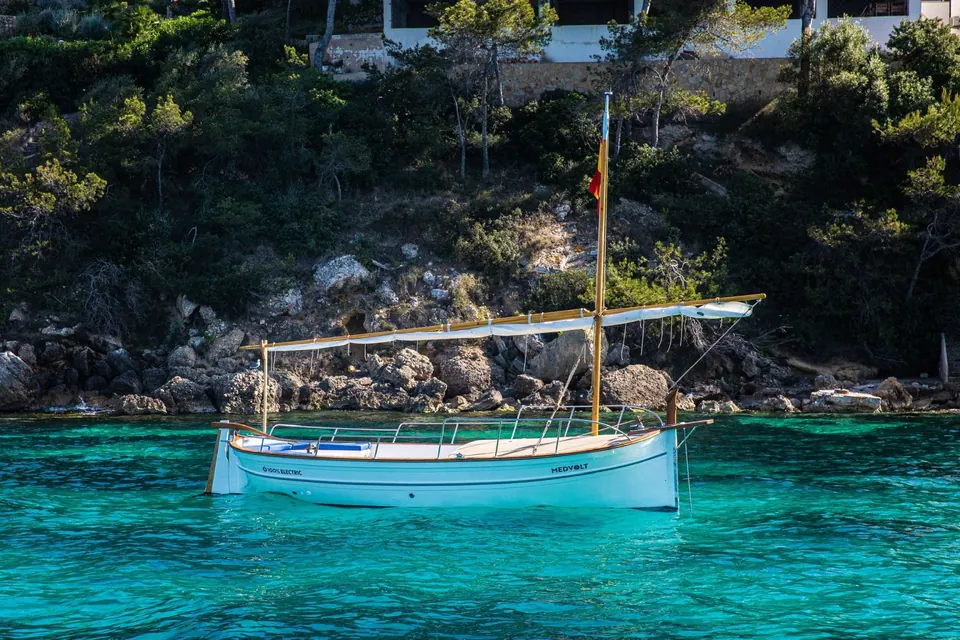
Port Adriano, in El Toro (Calvià), is one of the best places to start exploring south-west Mallorca from the sea. Within minutes you reach turquoise coves, protected islets and corners that are hard to get to by land.
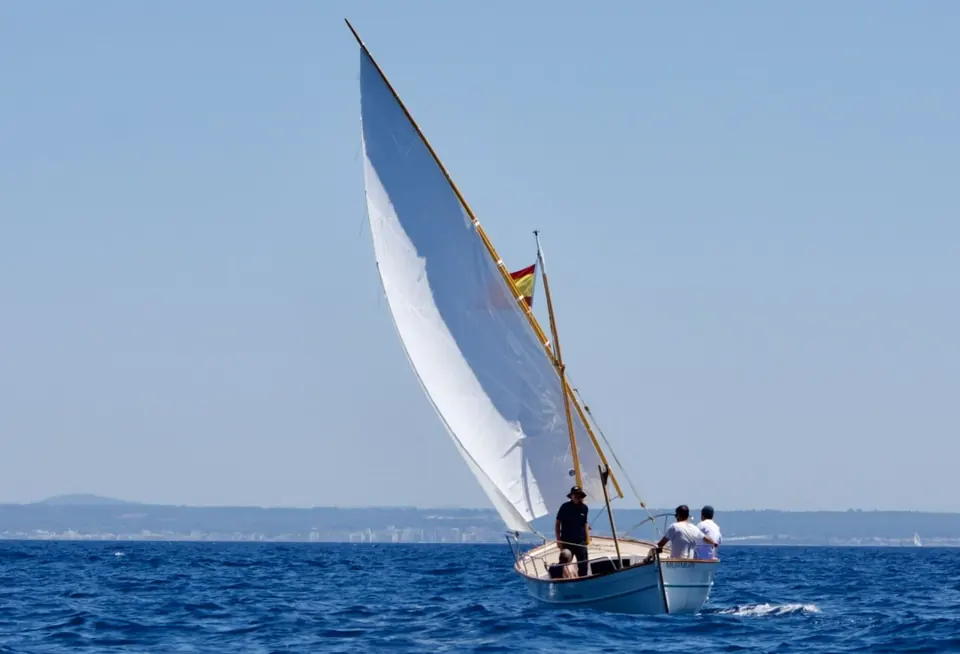
Here are our favourites, and how to enjoy them at an easy pace on a 100% electric llaut, with no engine noise and no fumes.
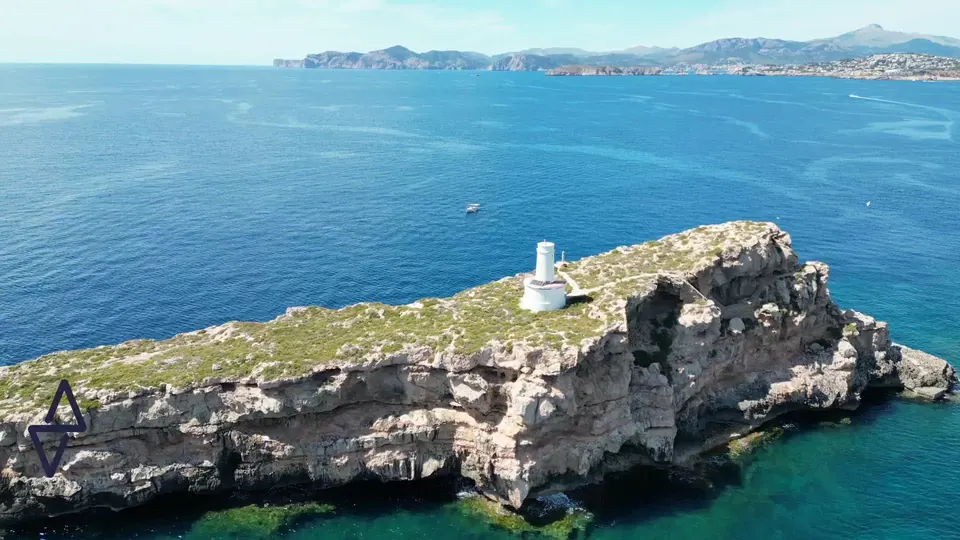
El Toro island: a marine reserve right outside the harbour
As soon as you leave Port Adriano you see El Toro, a rocky islet that is part of a marine reserve. The water is crystal clear and full of fish, which makes it the perfect first stop for a swim with mask and snorkel.
The Malgrats islands: snorkelling between two islets
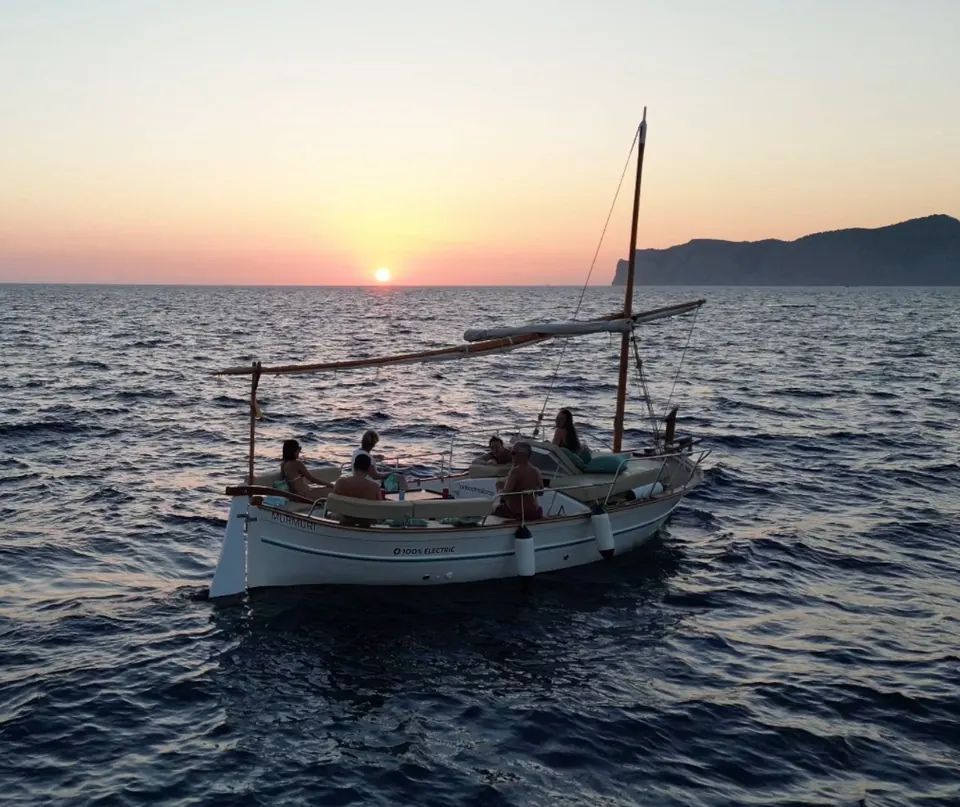
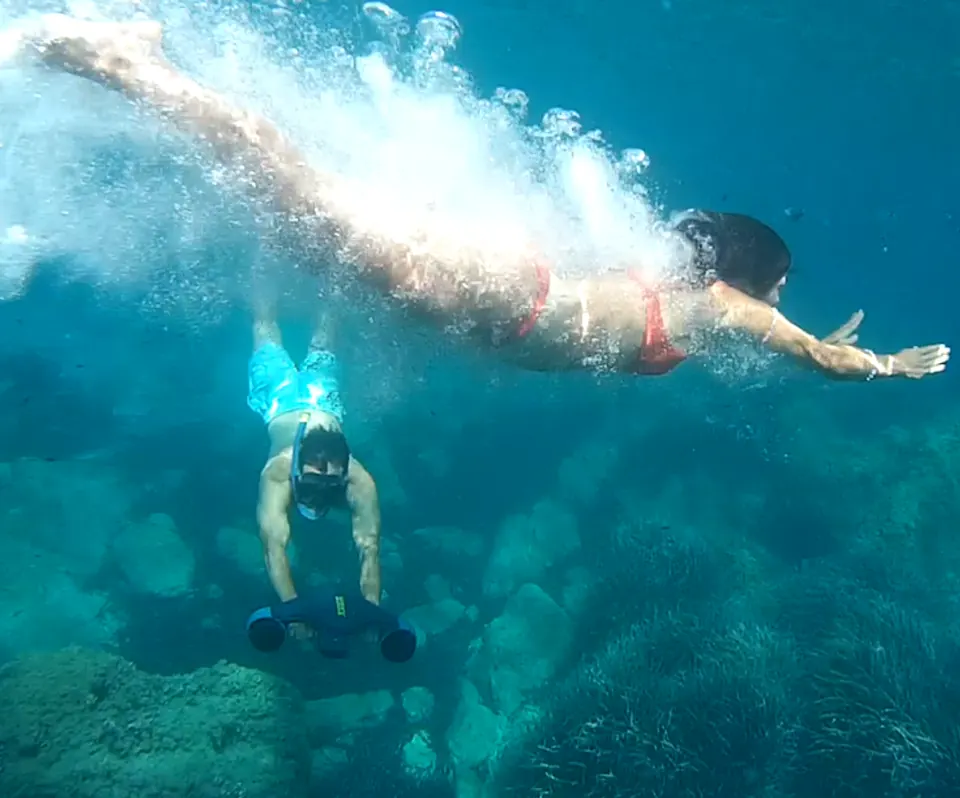
Off Santa Ponsa lie the Malgrats islands, another marine reserve with calm water and plenty of life below the surface. It is one of the best spots in the south-west for snorkelling and paddle boarding, and in the evening the sun sets right behind the islets.
Portals Vells and its neighbouring coves
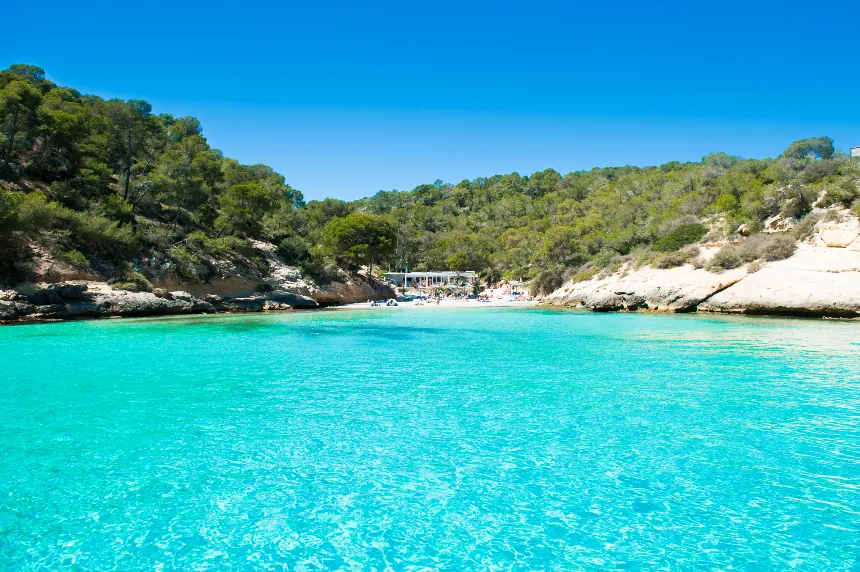
Following the coast south you reach Portals Vells, a cove framed by pine trees and cliffs, with caves carved into the rock. Nearby there are smaller sandy coves with emerald water: busy by land in summer, but far calmer when you arrive by boat.
Tips for enjoying the coves by boat
- Go early or at sunset. The coves are quieter and the light is at its best.
- Respect the posidonia. In the Balearic Islands it is forbidden to anchor on posidonia seagrass meadows, so we always anchor on sand.
- Pack light. Swimwear, a towel, reef-safe sun cream and sunglasses. Snorkelling gear and a paddle board are on board.
- Choose a quiet boat. Without a combustion engine you hear the water and the birds, and the fish don't swim away.
How to visit these coves with OnBoat
All our trips from Port Adriano stop at these spots: the half-day trip, the full-day trip, the Classic Llaut Eco Tour and the sunset boat trip. They are private, with a skipper and local produce on board.
See every option from this harbour in boat trips from Port Adriano.